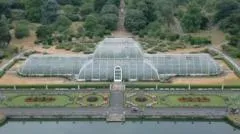
The world-famous Victorian glasshouse at the Royal Botanic Gardens Kew faces a massive makeover to address structural damage caused by tropical conditions. This essential £66m project aims to repair the historic ironwork and glass, ensuring the landmark's survival for future generations of visitors and botanical researchers alike.
Logistics of the plant relocation
Before the structural work can commence, staff must manage the complex task of emptying the glasshouse. The facility currently houses approximately 1,300 tropical trees and plants that must be moved to alternative locations. This relocation is a necessary prerequisite to ensure the safety of the botanical collection during the heavy construction phase.
The scale of the botanical move is significant, as the collection includes various tropical species that require specific environmental conditions. Moving such a large volume of living specimens necessitates careful planning to maintain the health of the plants while the primary structure is inaccessible.
Causes for the £66m makeover
The massive restoration project is driven by the deteriorating state of the Victorian-era structure. According to the Royal Botanic Gardens Kew, the intense heat and high humidity levels maintained within the glasshouse have caused significant damage over time. These environmental conditions have specifically taken a toll on the building's ironwork and glass panels.
To preserve the historical integrity of the landmark, the £66m investment will address these structural vulnerabilities. The renovation aims to stabilize the iron framework and replace or repair the glass that has been compromised by the tropical climate it is designed to sustain.
Project timeline and duration
The restoration process is scheduled to officially start in autumn 2027. Due to the complexity of the repairs and the scale of the makeover, the Palm House is expected to remain closed to the public for a period of up to four years.
The closure will allow engineers and botanists to work simultaneously on the building's infrastructure and the management of the tropical collection during the multi-year overhaul.
Next steps
The botanical team will begin preparing the relocation strategy for the 1,300 tropical specimens ahead of the 2027 start date, ensuring the collection is safely moved before the heavy restoration begins.