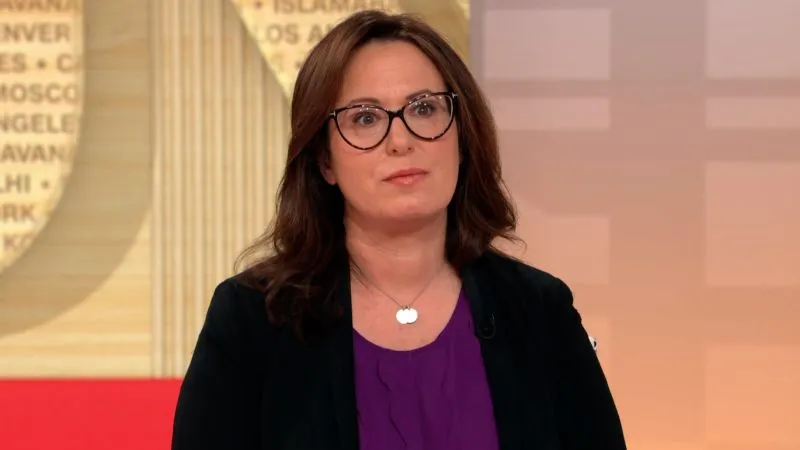
CNN political contributor Maggie Haberman explains the strategic reasoning behind the former president's personal rhetoric following his felony arraignment. In her analysis, she explores how these targeted verbal strikes serve to delegitimize the legal process and galvanize his core base of supporters. By shifting the focus from the courtroom to personal grievances, Trump attempts to control the media narrative surrounding his legal challenges. This specific rhetorical pattern is a hallmark of his political communication style, designed to frame the judicial system as a partisan tool rather than an impartial institution of law.
What prompted Donald Trump's speech at Mar-a-Lago?
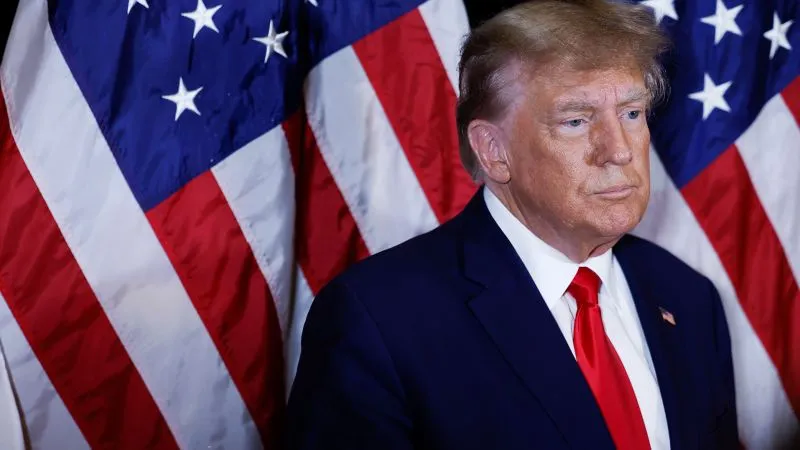
Donald Trump delivered a high-profile speech at his Mar-a-Lago resort immediately following his arraignment on felony charges. The event served as a platform for the former president to address the legal developments directly to his supporters. Rather than focusing solely on the legal merits of the case, the speech was characterized by a strong emotional and political tone.
The timing of the address was critical, occurring as the legal weight of the indictment became a reality for the former president. By speaking from Mar-a-Lago, Trump utilized his private residence as a backdrop to project strength and maintain control over the narrative surrounding the criminal proceedings. This move allowed him to frame the legal challenges not as a matter of judicial process, but as a political confrontation. The setting provided a controlled environment where he could communicate his perspective without the immediate interference of traditional media structures, reinforcing his connection to his base during a moment of significant legal vulnerability.
Why did Trump target the judge and his family?
The former president utilized his platform to launch specific, personal attacks against the presiding judge and the judge's family members. According to CNN political contributor Maggie Haberman, these attacks were not incidental but part of a broader communicative strategy. Trump's rhetoric shifted from the legal substance of the indictment to the personal character and private lives of those overseeing the case.
By involving the judge's family in his criticism, Trump moved the conflict into a personal sphere. This tactic is often seen in high-stakes political confrontations where the goal is to delegitimize the institution of the judiciary by attacking the individuals within it. The inclusion of family members serves to increase the personal stakes and emotional resonance of the attacks, making them more potent for his audience. This approach seeks to humanize the adversary in a way that makes them appear vulnerable or compromised, rather than merely a neutral arbiter of the law.
The strategy of personal delegitimization
Targeting the personal lives of judicial officers is a method used to undermine public confidence in the impartiality of the court. When a political figure attacks the family of a judge, they are attempting to create a narrative of bias and personal vendetta. This strategy aims to suggest that the legal proceedings are not based on law, but on personal animosity or external influences.
This approach also serves to galvanize a political base. By framing the judge as an adversary who is personally involved or biased, Trump reinforces the idea that the legal system is being weaponized against him. This narrative is central to his defense, turning a criminal matter into a struggle for political survival and justice against a perceived corrupt establishment. The goal is to ensure that his supporters view any unfavorable legal outcome not as a consequence of evidence, but as a result of a rigged system.
How does Maggie Haberman interpret these attacks?
Maggie Haberman, a prominent political contributor for CNN, explained the underlying reasoning behind the former president's decision to use such aggressive language. Haberman's analysis suggests that the attacks are a calculated component of Trump's political messaging. Instead of engaging with the specific felony charges, the rhetoric focuses on creating a sense of persecution.
Haberman's insights indicate that the verbal assaults on the judge are intended to cast doubt on the entire legal process. By attacking the person behind the bench, Trump seeks to create a distraction from the evidence and the legal arguments presented by prosecutors. This method of communication prioritizes the emotional reaction of his supporters over the technicalities of the law, ensuring that the indictment is viewed through a political lens rather than a legal one. The strategy essentially bypasses the courtroom's evidentiary standards in favor of a narrative-driven defense that resonates more effectively with a political audience.
What is the broader impact of this rhetoric on the legal system?
The use of personal attacks against judicial figures has significant implications for the perception of the rule of law. When high-profile political figures target the judiciary, it can erode the public's trust in the neutrality and independence of the courts. This erosion of trust makes it increasingly difficult for legal institutions to function without being accused of political bias.
Furthermore, such rhetoric can create a volatile environment for the individuals involved in the legal process. Judges and their families may face increased scrutiny or personal threats, which can influence the atmosphere of a courtroom. The intersection of political campaigning and criminal prosecution creates a complex dynamic where the legal outcomes are inextricably linked to the political temperature of the nation. This tension threatens to transform judicial proceedings into extensions of political warfare, where the legitimacy of the verdict is questioned by large segments of the population regardless of the evidence presented.
Key takeaways
- Donald Trump addressed his felony indictment via a speech at his Mar-a-Lago estate.
- The speech included direct personal attacks on the presiding judge and the judge's family.
- Maggie Haberman suggests these attacks are a strategic attempt to delegitimize the legal process.
- The rhetoric shifts the focus from legal facts to a narrative of political persecution.
- Targeting judicial families is a tactic used to undermine institutional impartiality.
FAQ: Donald Trump indictment reaction
Why did Donald Trump speak at Mar-a-Lago?
Donald Trump spoke at Mar-a-Lago to address his supporters immediately following his arraignment on felony charges. The location allowed him to control the narrative and frame the legal proceedings as a political attack rather than a standard judicial process, using his private estate as a base of strength.
What did Maggie Haberman say about the speech?
Maggie Haberman explained that the former president's attacks on the judge and his family were intentional. She noted that the reasoning behind the aggressive rhetoric was to delegitimize the court and the legal proceedings by making the conflict appear personal and politically motivated rather than purely legal.
Who did Trump attack during his address?
During his speech, Donald Trump targeted the presiding judge and the judge's family members. These personal attacks were a departure from discussing the specific felony charges, moving instead toward questioning the character and impartiality of the individuals overseeing the criminal case against him.
How does attacking a judge's family affect the case?
Attacking a judge's family is a tactic designed to undermine public confidence in the judiciary. By personalizing the conflict, the former president attempts to suggest that the court is biased, thereby creating a narrative that the legal system is being used as a political weapon against him.
What are the felony charges involved?
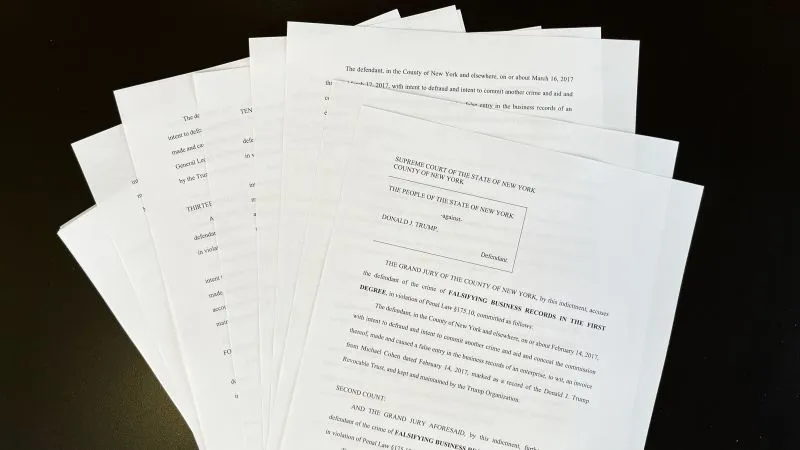
The source mentions that Donald Trump was arraigned on felony charges, though it does not list the specific details of each charge. The focus of the reporting was on his reaction to the arraignment and the subsequent speech he delivered to his supporters at Mar-a-Lago.
Conclusion
The reaction to Donald Trump's indictment highlights a significant shift in how legal proceedings are navigated in the modern political era. By utilizing the Mar-a-Lago speech to launch personal attacks against the judiciary, Trump has moved the battleground from the courtroom to the court of public opinion. As Maggie Haberman's analysis suggests, this strategy is designed to delegitimize the legal process by framing it as a political vendetta. This approach not only impacts the immediate legal case but also poses long-term challenges to the public's perception of judicial independence and the rule of law.