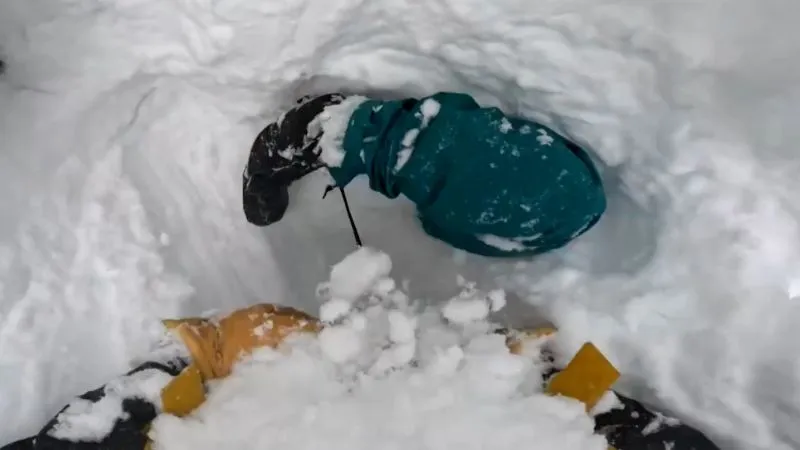
Snowboarder rescue Mt Baker incidents serve as a stark reminder of the hidden dangers present in backcountry terrain. When a snowboarder became trapped upside down in a tree well, a bystander's rapid intervention prevented a potential tragedy. This incident highlights the critical importance of situational awareness and specialized rescue training for all winter sports enthusiasts navigating mountain environments. Staying vigilant is essential when exploring unmanaged snow zones where hazards like deep drifts and hollow spaces can quickly become fatal for even experienced riders.
The Mt Baker tree well incident
A rapid response by a nearby skier prevented a fatal accident when a snowboarder became trapped in a dangerous tree well at Mt Baker. The incident involved a snowboarder who was buried upside down in the snow, creating a high-risk scenario where suffocation or trauma could have occurred rapidly.
According to CNN, the individual identified as Francis Zuber acted immediately upon noticing the snowboarder in distress. Zuber’s intervention has since been highlighted as a textbook example of effective emergency response in a mountain setting. The speed of his reaction was the deciding factor in the successful outcome of the rescue operation.
Understanding the danger of tree wells
Tree wells represent one of the most significant non-avalanche hazards for snowboarders and skiers in deep snow environments. A tree well is a depression of loose, aerated snow that forms around the base of a tree trunk, often appearing deceptively solid from the surface.
When a person falls into these pockets, they can become wedged in an inverted position. Because the snow in a tree well is often less dense than the surrounding pack, it provides little buoyancy, making it extremely difficult for a victim to climb out. Being trapped upside down significantly increases the risk of airway obstruction and rapid exhaustion.
Key risks of tree well entrapment:
- Asphyxiation: The weight of the snow can compress the chest or block the mouth and nose.
- Inversion: Being stuck upside down can lead to disorientation and difficulty breathing.
- Hypothermia: Rapid heat loss occurs when trapped in contact with deep snow.
The importance of rescue training
Following the successful intervention, Francis Zuber has used the incident to advocate for better preparedness among winter sports participants. He has actively urged others to enroll in professional rescue courses to ensure they are equipped to handle similar emergencies.
Professional training provides more than just physical techniques; it offers the mental framework required to remain calm during a crisis. For those frequenting areas like Mt Baker, understanding how to identify hazards and perform basic life-saving maneuvers is essential. Rescue training often covers avalanche transceiver use, probe techniques, and specific protocols for extracting individuals from tree wells or snow burials.
Safety protocols for backcountry enthusiasts
While Zuber's reaction was exemplary, most accidents can be mitigated through strict adherence to safety protocols. Experienced mountain users emphasize that staying visible and traveling in groups are the first lines of defense against mountain hazards.
Monitoring snow stability and understanding local weather patterns are also vital components of backcountry safety. By combining technical skills with a respectful approach to the terrain, winter enthusiasts can better manage the inherent risks of the mountain environment and improve the chances of survival for themselves and their companions.
Frequently Asked Questions
What is a tree well?
A tree well is a pocket of loose, uncompacted snow that forms around the base of a tree. These depressions are extremely dangerous because they can trap a person, especially if they fall in upside down, making it very difficult to escape the snow.
How did Francis Zuber help?
Francis Zuber noticed a snowboarder trapped upside down in a tree well at Mt Baker. He sprang into action immediately, providing a textbook rescue response that prevented a serious accident. His quick thinking is credited with saving the trapped individual from a potentially fatal situation.
Why is rescue training necessary?
Rescue training is necessary because it prepares individuals to act decisively during mountain emergencies. According to the incident reports, Zuber advocates for these courses so that more people have the skills required to handle life-threatening situations like snow entrapment or avalanches effectively.