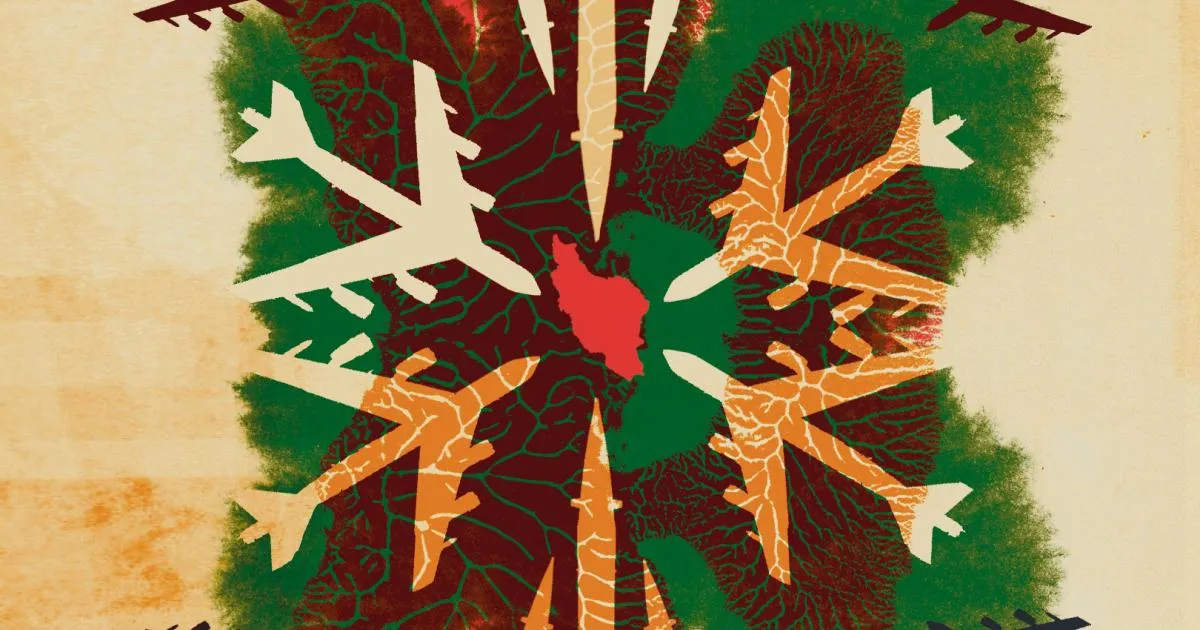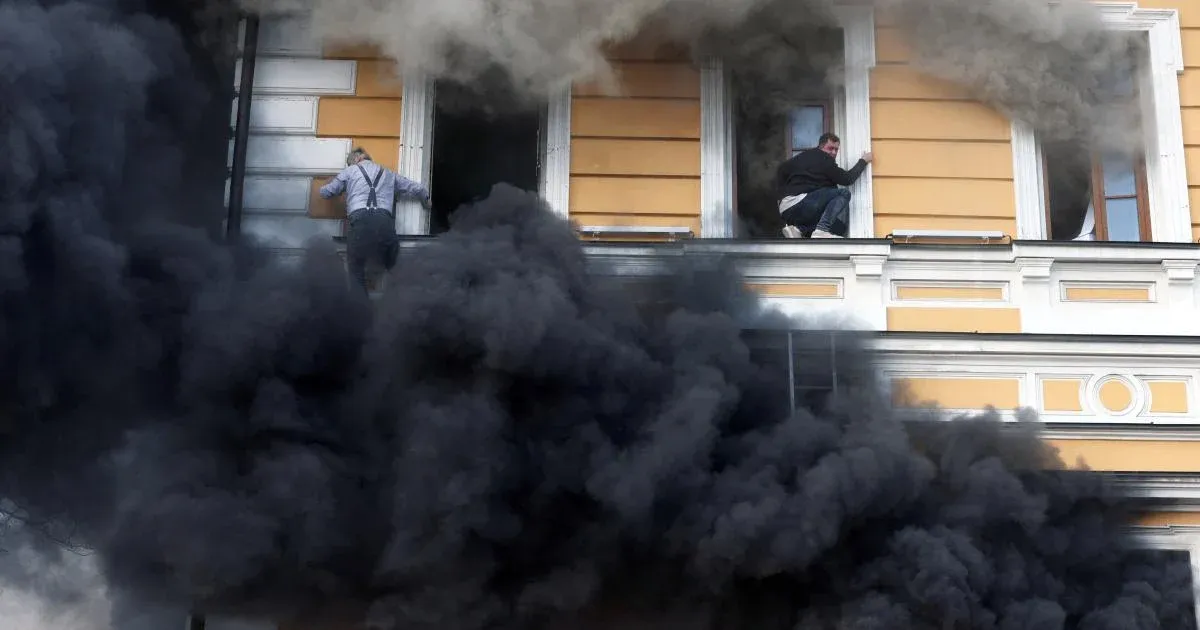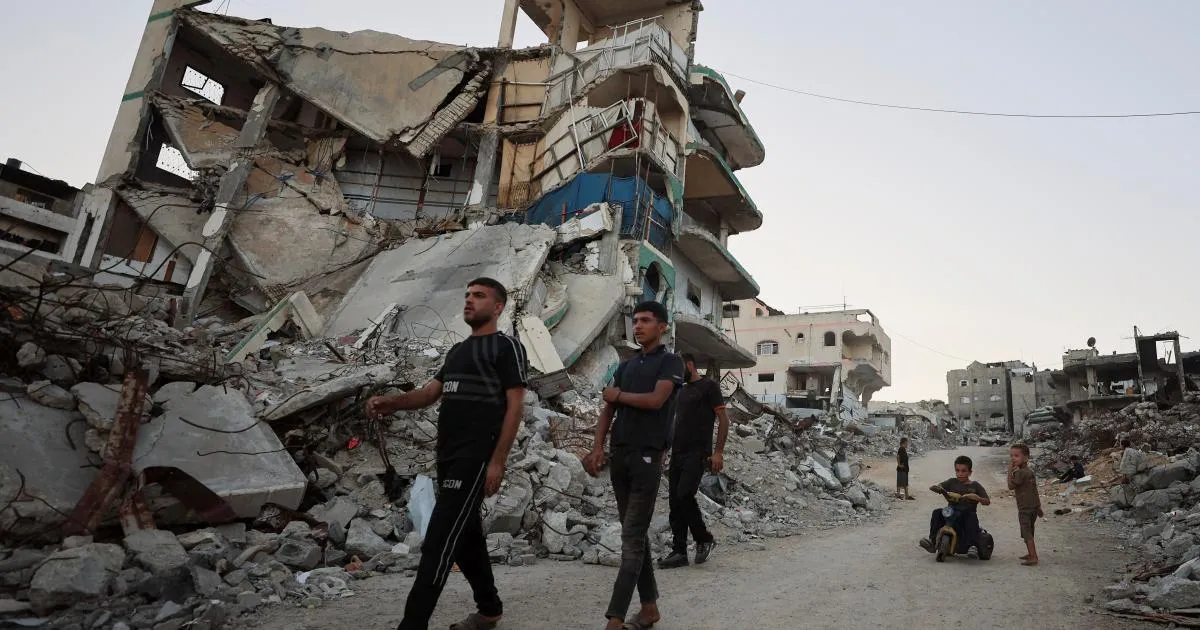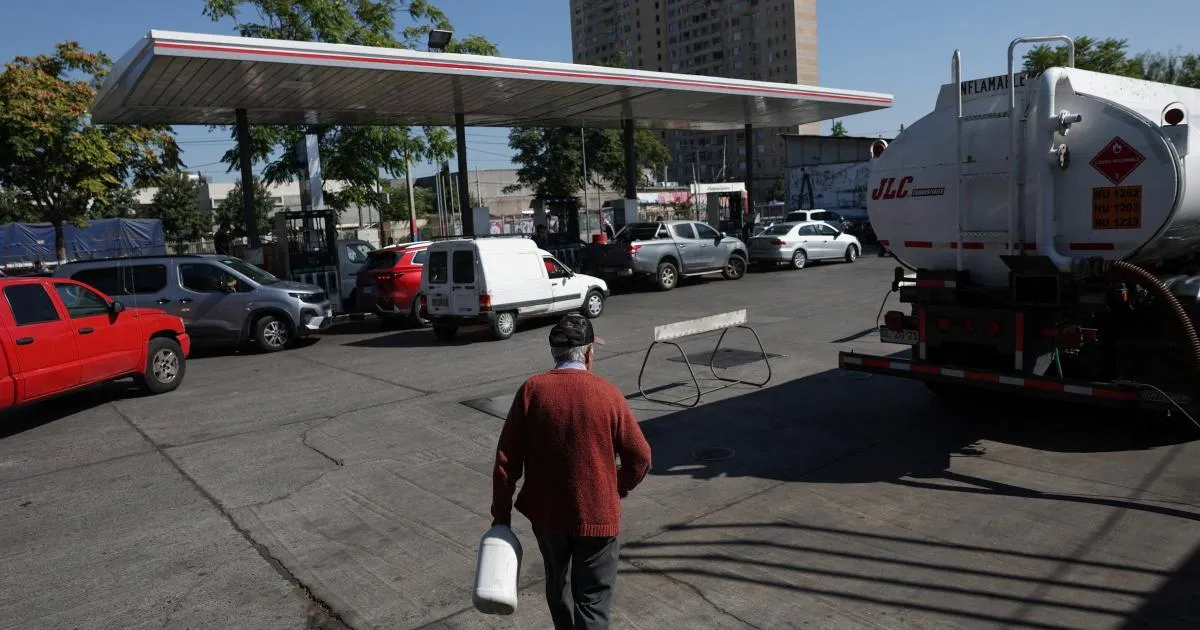
Latin America economic shocks are currently converging through two distinct external pressures: the prolonged closure of the Strait of Hormuz and a significant El Niño weather pattern. These crises are driving regional inflation, disrupting vital supply chains, and straining the fiscal capacity of already indebted governments. While some leaders initially rose to power on security platforms, deepening economic distress is eroding their public support. This article examines the geopolitical and climatic drivers of this turbulence, the resulting political shifts, and the structural requirements for regional resilience.
How are geopolitical and climatic shocks impacting the region?
The convergence of the Strait of Hormuz closure and a powerful El Niño event is creating a dual crisis for Latin American and Caribbean economies. The closure of this critical maritime passage has disrupted energy and fertilizer markets, while El Niño is altering weather patterns across the continent. These factors are not merely environmental or geopolitical concerns; they are direct drivers of domestic inflation and fiscal instability.
According to the analysis by Dan Restrepo and Ricardo Zuniga, these shocks are hitting at a moment when many nations are still recovering from the post-pandemic era. The economic toll is particularly evident in the rising costs of essential goods like fuel and food, which puts immense pressure on governments that lack the fiscal space to provide subsidies.
What is the impact of the Strait of Hormuz closure on energy markets?
The effective closure of the Strait of Hormuz has reshaped regional energy dynamics by driving up the costs of imported gasoline and diesel. Because many Latin American nations depend heavily on these fuels, the price spikes have immediate consequences for transportation and agricultural production.
The political repercussions of these energy costs are already visible. For instance, in Chile, President José Antonio Kast saw his approval rating decline by 14 points in March 2026 after he opted not to provide consumer subsidies to offset rising energy prices. Similarly, in Argentina, the energy crisis has complicated the economic agenda of President Javier Milei, whose disapproval rating rose to 63 percent in late April 2026.
Winners and losers in the energy shift
While most of the region faces higher costs, certain nations are positioned to benefit from the global energy volatility. Guyana has seen its oil revenues grow by more than 50 percent this year, and Brazil has solidified its status as a top global oil producer. Argentina has also transitioned from a net importer to an exporter due to its expanding shale production. However, for most of the Caribbean and Central America, the sustained high prices remain a significant economic burden.
How does El Niño exacerbate existing economic vulnerabilities?
El Niño is expected to magnify the existing market shocks by introducing severe weather extremes, including flooding in parts of South America and droughts in Central America. This climatic phenomenon threatens to drain already depleted national budgets through disaster response and lost agricultural productivity.
The specific impacts vary by geography:
- South America: Countries like Peru, Ecuador, and Brazil face flooding and landslides, which disrupt infrastructure and hydroelectric power generation.
- Central America: Severe droughts threaten food security and increase the cost of fuel and fertilizer, potentially triggering social unrest.
- Maritime Trade: Lower rainfall levels are reducing water levels in the Panama Canal, slowing global shipping and trade.
In Colombia, the combination of an August earthquake and El Niño-driven pressure on coffee and hydroelectricity highlights how natural disasters can overwhelm leaders who campaigned on security rather than economic management.
Will these shocks lead to greater political polarization?
The ongoing economic instability is creating a fertile ground for political swings and the rise of populist movements. As voters struggle with the rising costs of living, they tend to move toward leaders who promise rapid, often radical, solutions to systemic problems.
In Peru, economic anxiety following a massive inflation spike led to a surge for the leftist Roberto Sánchez during the first round of presidential elections. In Brazil, the climate-driven economic shifts are unfolding against a highly polarized electoral backdrop between President Luiz Inácio Lula da Silva and Senator Flávio Bolsonaro. These cycles suggest that rather than a permanent shift to the right, the region is experiencing a volatile pendulum effect driven by immediate material needs rather than long-term ideology.
The risk of social unrest
A critical concern for regional stability is the potential for increased migration and internal unrest. A decade ago, El Niño-induced droughts in Central America fueled migration to the United States. With current border restrictions limiting migration as a relief valve, the social pressure may instead manifest as intense domestic protests and instability within the affected countries.
What strategies can the region use to build resilience?
To avoid a cycle of perpetual crisis, Latin American and Caribbean nations must move beyond reactive measures and focus on structural integration and the rule of law. The region possesses significant assets, including critical minerals for the energy transition and a robust agricultural sector, but these cannot be fully leveraged without better infrastructure.
Key areas for improvement include:
- Regional Integration: Increasing intraregional trade to reduce dependence on volatile global markets.
- Fiscal Discipline: Strengthening the ability of governments to manage debt while maintaining essential services.
- Investment in Infrastructure: Utilizing multilateral development banks to attract private capital for shared regional projects.
Multilateral institutions like the Inter-American Development Bank and CAF can play a pivotal role by providing emergency financing for disaster response and helping to create value chains that distribute economic benefits more broadly across the population.
FAQ: Latin America economic shocks
How is El Niño affecting food security in Latin America?
El Niño causes extreme weather, such as droughts in Central America and the Amazon, which directly reduces crop yields. This leads to higher food prices and increased food insecurity, particularly in nations where agricultural production is a primary driver of the domestic economy and export revenue.
Why does the Strait of Hormuz closure matter to Latin American consumers?
The closure increases global oil prices, which drives up the cost of imported gasoline and diesel in Latin America. Because these fuels are essential for transport and farming, the price hike leads to higher costs for almost all consumer goods, fueling regional inflation.
Are any Latin American countries benefiting from these global disruptions?
Yes, some countries are seeing economic gains. Guyana has experienced a 50 percent increase in oil revenues, and Brazil and Argentina have strengthened their positions as energy exporters. Additionally, mineral-rich nations like Chile and Peru have benefited from high global prices for copper and gold.
What is the political impact of rising inflation in the region?
Rising inflation often erodes public trust in established leaders and fuels the rise of populist candidates. Voters frequently turn to outsiders who promise to impose order or solve economic mismanagement, leading to significant political shifts and increased polarization during election cycles.
Can regional integration help mitigate these external shocks?
Regional integration can reduce vulnerability by promoting intraregional trade and creating more stable, localized supply chains. By linking economies more closely, the region can better manage resource distribution and reduce its extreme dependence on volatile international energy and commodity markets.
Key takeaways
- The Strait of Hormuz closure and El Niño are driving significant inflation and fiscal strain across Latin America.
- Energy-importing nations face higher costs for fuel, while some producers like Guyana and Brazil see increased revenues.
- Climate-driven weather extremes threaten agricultural yields and hydroelectric power, risking social unrest and migration.
- Political stability is at risk as economic hardship drives voters toward populist movements and political polarization.
- Strengthening regional integration and infrastructure is essential for long-term resilience against external shocks.
Conclusion
Latin America stands at a critical juncture where geopolitical volatility and climatic shifts are no longer distant threats but immediate economic realities. The twin shocks of the Hormuz closure and El Niño are testing the fiscal limits and political legitimacy of governments across the region. While the potential for instability and populism is high, the region's wealth in critical minerals and renewable energy offers a pathway to stability. Success depends on whether leaders can move past short-term crisis management toward deep-seated structural reforms and meaningful regional cooperation.