Russia’s plan to break Ukraine has shifted from territorial conquest to a strategy of systemic psychological and economic exhaustion. By intensifying the use of ballistic missiles and long-range drones against interior cities like Kyiv, Moscow aims to shatter civilian morale and sever logistical connections. This tactical pivot follows a period of Ukrainian progress in 2026, as Russia seeks to exploit the limits of Western financial endurance. This article examines the mechanics of Russia's new theory of victory, the impact of intensified aerial bombardments, and the critical financial requirements for Kyiv's continued resilience.
How has Russia's military strategy evolved in 2026?
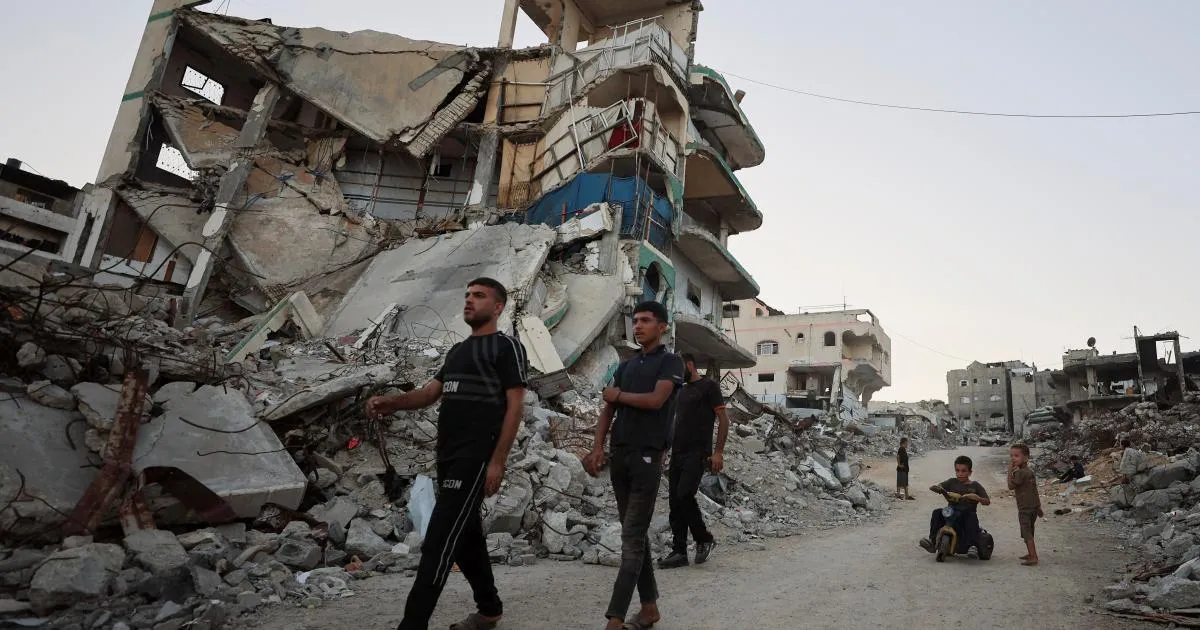
Russia has transitioned from a focus on frontline attrition to a broader campaign designed to disrupt the entirety of the Ukrainian state. While previous operations concentrated on the Donbas and the degradation of energy infrastructure, the current doctrine targets the psychological stability of the population and the functionality of the national economy. Moscow is increasingly utilizing fast, long-range, jet-powered drones and heavy ballistic missiles to strike deep within Ukrainian territory.
This shift represents a calculated attempt to make urban life unsustainable. By targeting metropolitan centers, the Kremlin hopes to force the flight of businesses and residents, thereby severing the vital logistical links between the country's major hubs. The ultimate objective is not merely the occupation of land, but the destruction of internal cohesion. Moscow calculates that by making the cost of war unbearable for civilians, it can provoke resentment against the Ukrainian government and weaken the nation's resolve to continue fighting.
The shift from territory to morale
The Kremlin's current calculus suggests a belief that the West's willingness to fund the conflict is finite, whereas Russia's capacity for sustained sacrifice is perceived as much higher. By moving the battlefield into the domestic sphere of the interior, Russia seeks to turn the war into a crisis of governance and survival for every Ukrainian citizen, regardless of their proximity to the frontlines.
What is the impact of intensified air raids on Ukrainian cities?
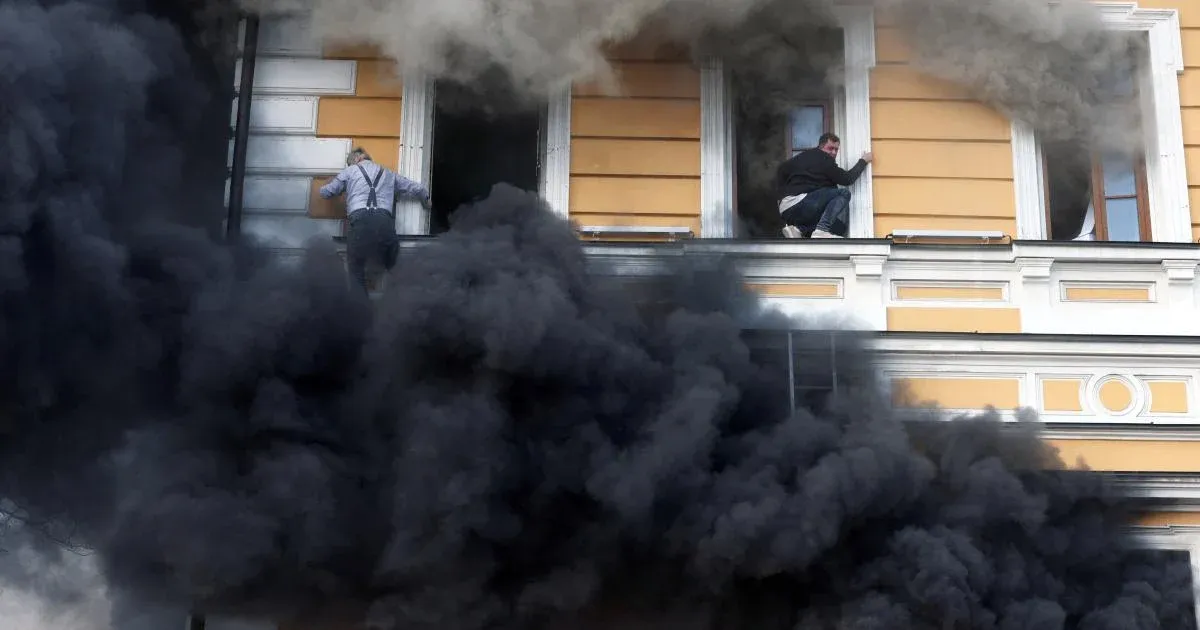
The intensity of aerial bombardments has reached unprecedented levels, particularly in the capital. In Kyiv, the frequency of air raid alerts has surged, moving from occasional disruptions to a state of near-constant chaos. For example, on August 27, 2026, the city recorded 13 separate alerts in a single day, and other instances have seen sirens blaring for ten consecutive hours. This constant state of alarm has introduced a new level of pessimism among the population.
While Kyiv has borne the heaviest brunt, the scope of the attacks is widening toward the western borders. Cities that were previously considered relatively safe are now within reach of Russian strike capabilities:
- Lviv: On July 30, Russia launched over 20 cruise missiles at this city near the Polish border, resulting in casualties.
- Lutsk: Drones have successfully reached this western city, causing significant damage to infrastructure such as railway carriages.
- Interior Cities: Locations including Ivano-Frankivsk, Ternopil, and Stryi have faced regular strikes.
Beyond the immediate danger to human life, these strikes target the pillars of modern society. Moscow is systematically destroying warehouses, pharmaceutical distribution centers, and data centers. The destruction of these facilities threatens not only the supply of medicine and food but also the digital infrastructure required for internet connectivity and essential services like sewage management.
What must Ukraine do to ensure economic and political survival?
To prevent a total systemic collapse, the Ukrainian government must implement several urgent domestic reforms. The first priority is the rapid passage of legislation required to unlock international aid. This often involves difficult political decisions, such as implementing higher domestic taxes or adjusting tariffs on low-value imports to meet the requirements of international lenders.
Furthermore, the government must address vulnerabilities in its internal systems to maintain public trust and donor confidence. Key areas for reform include:
- Public Procurement: Strengthening the oversight of the security and defense sectors to prevent undelivered contracts and inefficiencies.
- Anti-Corruption Measures: Eliminating graft within state-run entities, such as the nuclear operator scandal exposed in late 2025, to ensure that resources are used effectively for defense.
- Budgetary Discipline: Utilizing the progress made by the National Anticorruption Bureau to demonstrate that no official is above the law.
These domestic steps are essential but insufficient on their own. Ukraine's economic survival is inextricably linked to the scale and speed of external financial assistance.
How can international partners address Ukraine's massive funding gap?
Ukraine faces a staggering financial deficit that domestic revenue cannot cover. As of September 2026, the government estimated a requirement for $52 billion in external financing for the year 2027, yet only $20 billion is currently guaranteed. This gap creates a precarious environment for both military planning and economic stability.
The responsibility for bridging this gap remains a point of significant geopolitical tension. While the United States has signaled a move away from direct financial support, the European Union faces its own internal pressures regarding the allocation of its $100 billion assistance budget for 2026-2027. There are two primary avenues for increased support that remain politically sensitive:
The utilization of frozen Russian assets
The most direct solution involves the $300 billion in Russian assets currently frozen in the West. While there is broad support within the EU for using these funds, significant legal and economic hurdles remain. The Belgian securities depository, Euroclear, holds much of these assets, and there are fears that a direct seizure could lead to protracted legal battles or undermine the reputation of the euro as a stable financial instrument. However, proponents argue that the EU must find ways to underwrite these legal risks to provide the necessary liquidity to Kyiv.
Direct funding of military personnel
A second critical area is the financing of Ukrainian service members. Currently, Ukraine is on track to spend $35 billion on military personnel this year, a burden that consumes a massive portion of its tax revenue. While European aid often covers hardware and ammunition, there has been a reluctance to cover the direct costs of salaries. Addressing this would allow Kyiv to redirect more of its own tax revenue toward stabilizing the broader economy and maintaining civilian infrastructure.
Is the current air defense strategy sustainable?
The current reliance on interceptor-based air defense faces a mathematical challenge due to the disparity in production volumes between Ukraine's allies and Russia. While supplying interceptors for systems like the Patriot is vital, it cannot be the sole method of protecting Ukrainian airspace.
The production gap is stark. The United States produces a maximum of 840 Patriot interceptors annually, a supply that must be shared among various global partners. In contrast, Russia produces more than 1,200 new ballistic and quasi-ballistic missiles per year, supplemented by deliveries from North Korea. This imbalance suggests that unless Ukraine can enhance its own production or receive a significantly higher volume of interceptors, the sheer quantity of Russian projectiles may eventually overwhelm existing defensive layers.
Frequently asked questions
What is Russia's new "theory of victory"?
Russia's new strategy focuses on breaking the will of the Ukrainian people and their international partners. Instead of just capturing territory, Moscow uses mass missile and drone strikes on interior cities to destroy the economy, disrupt logistics, and make civilian life so difficult that the population loses faith in their government.
How much financial aid does Ukraine need for 2027?
The Ukrainian government has estimated that it will require $52 billion in external financing to meet its needs in 2027. As of September 2026, only $20 billion of that total has been guaranteed, leaving a significant gap that must be filled by international partners.
Why is the use of frozen Russian assets controversial?
The $300 billion in frozen Russian assets is controversial because of legal and economic risks. Specifically, there are concerns regarding potential lawsuits against Euroclear in Belgium and the possibility that seizing these assets could damage the global standing and stability of the euro.
Can Ukraine's air defense keep up with Russian missile production?
Current production rates suggest a significant disadvantage for Ukraine. While the U.S. produces at most 840 Patriot interceptors per year for all partners, Russia produces over 1,200 ballistic and quasi-ballistic missiles annually, supplemented by North Korean supplies, creating a difficult mathematical reality for defenders.
What are the primary domestic reforms needed in Ukraine?
Ukraine needs to pass legislation to unlock pledged international funds, which may include unpopular tax changes. Additionally, the government must improve public procurement in the defense sector and continue aggressive anti-corruption efforts to ensure that limited resources are not lost to graft or mismanagement.
Key takeaways
- Russia is shifting its strategy toward targeting urban centers to break Ukrainian morale and economic cohesion.
- Kyiv faces unprecedented aerial terror, with record-breaking air raid alerts and strikes on western cities.
- Ukraine requires $52 billion in external financing for 2027, with only $20 billion currently guaranteed.
- A massive production gap exists between Western interceptors and Russian ballistic missile output.
- Utilizing the $300 billion in frozen Russian assets remains a key but legally complex solution for funding.
Conclusion
The conflict has entered a phase where the primary battlefield is no longer just the frontline, but the very stability of the Ukrainian state. Russia's attempt to win through exhaustion and psychological terror places immense pressure on Kyiv's ability to govern and defend itself. While Ukrainian resilience remains high, the mathematical reality of missile production and the looming $32 billion financing gap present existential threats. Survival will depend on the ability of international partners to move beyond hesitant aid and address the fundamental economic and defensive requirements of a nation under sustained siege.