Putin escalation in Ukraine has entered a critical new phase following the United Russia party's sweeping victory in the 2026 parliamentary elections. This political mandate provides the Kremlin with renewed domestic legitimacy to pursue military objectives with increased intensity. While official results suggest total unity, independent data from the Levada Center indicates declining approval ratings and growing public anxiety over inflation and mobilization. This article examines the Kremlin's strategy of threat amplification, the economic pressures facing the Russian population, and the potential for further military escalation during the coming winter.
How do the 2026 parliamentary elections influence Putin escalation in Ukraine?
The overwhelming victory of the United Russia party in the recent parliamentary elections serves as a foundational pillar for the Kremlin's next phase of conflict. By securing a supermajority, President Vladimir Putin has effectively manufactured a domestic mandate that equates citizenship with support for the 'special military operation.' This political landscape is characterized by controlled voting environments, including compulsory participation in state-dependent organizations and the military, alongside the systematic removal of opposition voices like the Yabloko party.
The Kremlin utilizes these electoral results to project an image of absolute national cohesion to the international community. This 'illusion of a commanding majority' is designed to signal that Russia is prepared to pursue its military goals with even greater abandon. By framing dissent as the mark of a pariah, the state ensures that the political sphere remains a tool for war mobilization rather than a venue for debate.
The suppression of political dissent
The recent crackdown on the Yabloko party illustrates the severity of the Kremlin's approach to maintaining a unified national mindset. The banning of the only remaining legal anti-war party, coupled with the imprisonment of leaders such as Lev Shlosberg, demonstrates that in the current Russian political climate, no legal avenue exists for opposing the war. This suppression is a tactical necessity for a regime that relies on a 'siege mentality' to justify its actions.
What are the economic drivers behind current Russian instability?
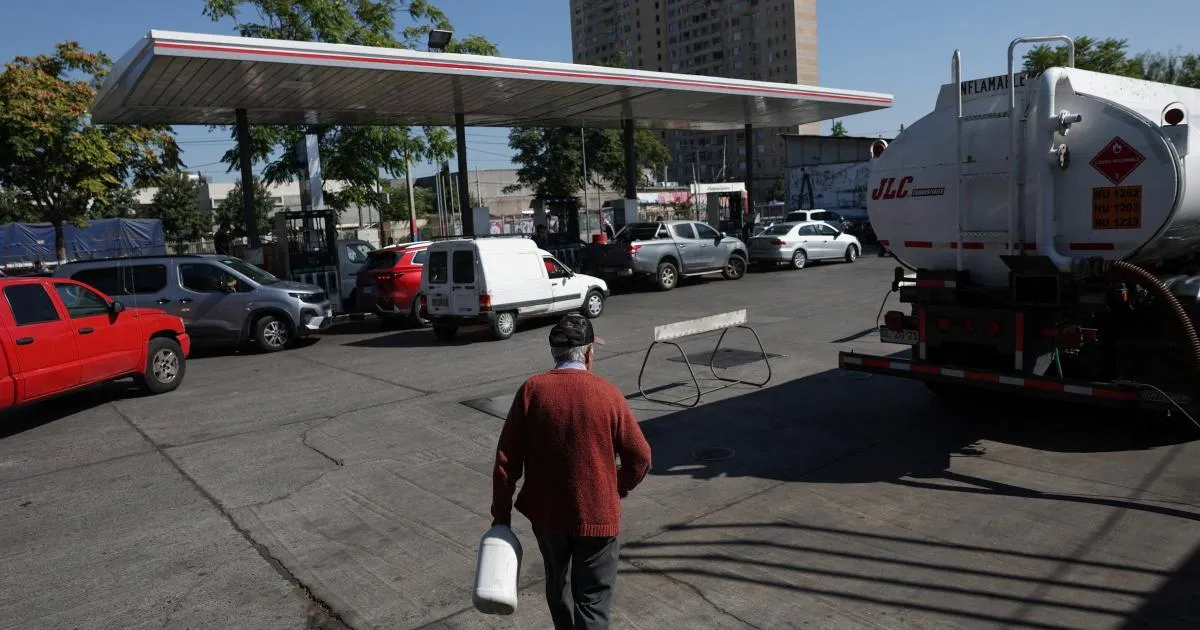
Despite the appearance of political unity, the Russian economy is facing significant structural pressures that threaten long-term stability. Massive military spending, combined with rising fuel costs, has become a primary driver of domestic inflation. According to the Levada Center, public morale is being eroded by tangible shortages; in August 2026, two-thirds of respondents reported difficulties with mobile internet and messaging services, while one in three faced disruptions due to gasoline shortages.
The economic burden on the average citizen is expected to intensify. As the government continues to prioritize the war effort, the budget deficit remains a pressing concern. While arms production has temporarily buoyed GDP and industrial indicators, these figures are hovering near zero. The upcoming spike in utility rates in October is projected to add further strain to households already struggling with the costs of a protracted conflict.
How is the Kremlin using psychological and religious tools for mobilization?
The Kremlin has adopted a strategy of 'threat amplification,' utilizing what political scientists call a 'conflict conveyor belt' to maintain a constant state of national emergency. This involves not only military threats but also a deep integration of religious and historical narratives to spiritually mobilize the population. The recent 'discovery' of the remains of the 14th-century warrior-prince Dmitry Donskoy serves as a prime example of this tactic.
By bringing historical and religious figures into the modern conflict, the state attempts to frame the war as a sacred struggle. This is evidenced by:
The deployment of religious relics to the front lines to 'spiritually strengthen' troops.
Large-scale, government-supported religious processions designed to bolster military support.
The use of ultranationalist events, such as the 'Russian March' in Moscow, to consolidate identity.
These efforts aim to create a sense of 'miraculous' inevitability, encouraging the public to endure the hardships of war in anticipation of a divine or historical triumph.
What are the risks of further military mobilization?
A significant point of tension for the Putin administration is the potential for a new wave of military mobilization. While the Kremlin currently prefers selective and covert mobilization to avoid disrupting the 'illusion of normalcy,' the pressure to escalate remains high. A general call-up carries profound risks for the Russian state, including the potential to alienate the male population and devastate the domestic labor force.
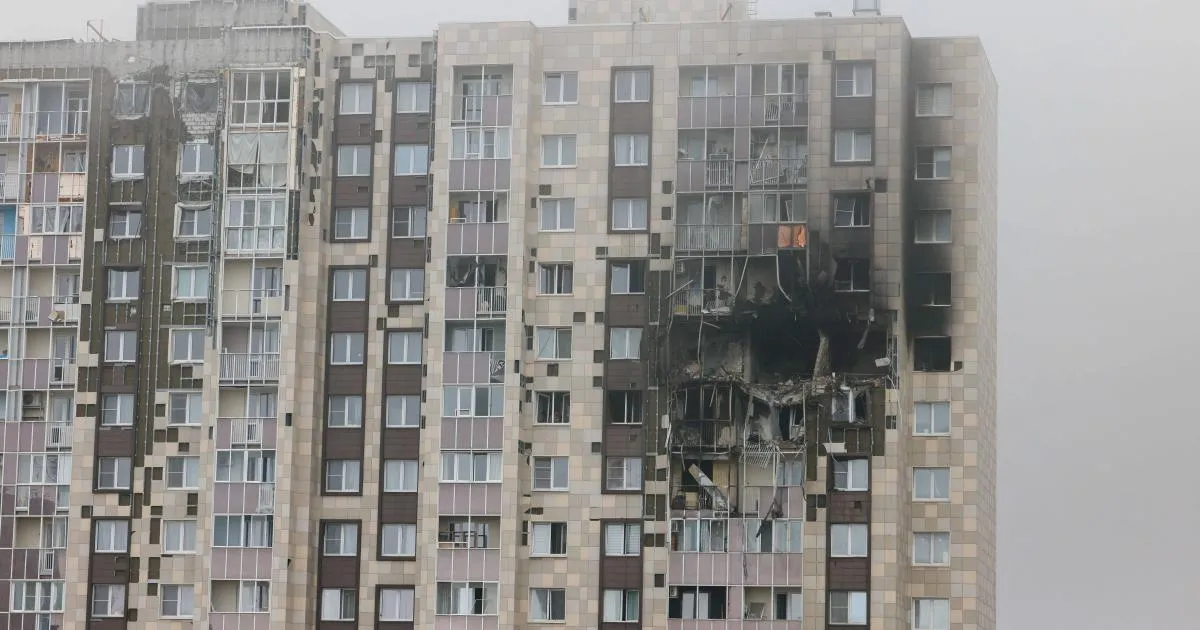
The demographic implications are particularly severe. Russia is already facing a declining birthrate, and diverting the remaining working-age population to the battlefield could cause irreparable damage to the nation's long-term productivity. Furthermore, as the war reaches deeper into Russian territory via drone strikes, the government faces a dilemma: either increase the scale of the conflict or risk losing the very 'unity' it has worked so hard to manufacture.
The dilemma of the labor force
The tension between military necessity and economic survival is reaching a breaking point. As the state pours resources into the war, the sectors required to maintain domestic infrastructure—such as energy and telecommunications—are suffering. If the Kremlin chooses to prioritize a mass mobilization, it may inadvertently trigger the very domestic instability it seeks to avoid by stripping the economy of its essential workforce.
How is the international community responding to the escalation?
The international response remains a complex landscape of diplomatic maneuvering and military readiness. While the Kremlin has rejected recent U.S. diplomatic efforts, there are indications of shifting strategies in Washington. The Trump administration has shown interest in pursuing new negotiation models, potentially moving toward backchannel diplomacy similar to the détente era of the Cold War.
However, the path to a permanent peace remains obscured. For the Kremlin, time is viewed as a strategic asset, and they appear prepared to continue the conflict as long as they believe they can withstand Western pressure. Conversely, for the United States, finding a successful diplomatic resolution is a high-stakes political necessity. The effectiveness of these diplomatic pushes will depend on whether they can provide a credible exit strategy for a regime that currently views escalation as its primary means of maintaining power.
FAQ: Putin escalation in Ukraine
What is the current status of the Russian economy in 2026?
The Russian economy is experiencing significant inflationary pressure driven by massive military spending and rising fuel costs. While industrial production and GDP remain slightly above zero due to arms manufacturing, the budget deficit is growing, and citizens are facing shortages in gasoline and internet services.
How has public opinion in Russia changed regarding the war?
Public sentiment has shown signs of decline. According to the Levada Center, the percentage of Russians viewing the military operation as a success fell to 50% in July 2026. Additionally, President Putin's personal approval rating saw a 12% decline between July 2025 and July 2026.
Why is the Kremlin suppressing political opposition?
The Kremlin suppresses opposition to maintain a 'siege mentality' and a facade of national unity. By removing anti-war voices, such as the Yabloko party, the state ensures that the domestic political environment supports its military objectives and prevents the emergence of alternative narratives.
What are the risks of a new military mobilization in Russia?
A general military mobilization risks destabilizing the domestic economy by diverting the essential labor force away from critical industries. It also threatens to exacerbate Russia's demographic crisis and could potentially turn public sentiment against the government if the perceived burden becomes too high.
Is there a possibility of diplomatic peace negotiations?
While the U.S. has attempted various diplomatic approaches, including backchannel efforts, a permanent peace remains elusive. The Kremlin currently views time as being on its side, while the effectiveness of Western diplomacy depends on creating a viable exit strategy for the Russian leadership.
Key takeaways
The 2026 Russian elections provided a manufactured mandate for continued military escalation.
Inflation and utility rate hikes are significantly straining the Russian domestic population.
The Kremlin uses religious and historical narratives to maintain spiritual mobilization.
Mass mobilization poses a severe threat to Russia's labor force and demographic stability.
Conclusion
The current stage of Putin escalation in Ukraine is defined by a strategic attempt to fuse political legitimacy with military aggression. By utilizing controlled elections, religious symbolism, and threat amplification, the Kremlin seeks to insulate itself from the mounting economic and social costs of the conflict. However, the growing gap between official narratives of unity and the reality of inflation, shortages, and demographic decline suggests that this stability is fragile. As the war enters a potentially more intense phase this winter, the balance between military objectives and domestic survival will become the ultimate test for the Russian state.